Carbon Fiber size and thickness options

Cut Sizes

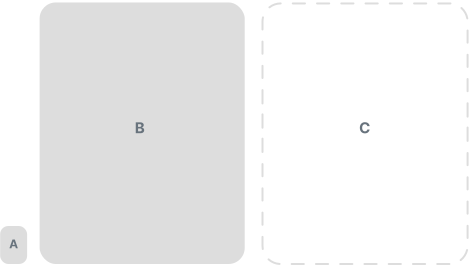
  • A.1" x 2"min Instant Pricing
  • B.23" x 47"max Instant Pricing
  • C.23" x 47"max Custom Quote
Thicknesses

Waterjet cut, +/- .009" tolerance

  • .040" 1.02mm
  • .063" 1.60mm
  • .079" 2.01mm
  • .118" 3.00mm
  • .157" 3.99mm
  • .040" 1.02mm
  • .315" 8.00mm

Carbon Fiber material details and specifications

.040"1.02mm Carbon Fiber

Material Details & Specifications

Carbon Fiber .040" General Details
Advertised Thickness 0.040"
Gauge N/A
Thickness tolerance positive 0.008"
Thickness tolerance negative 0.008"
Finish Hot press
Top/Bottom finish Identical both sides
Sourced from USA/Global
WATERJET CUTTING SPECIFICATIONS
Cutting process Waterjet
Cut tolerance +/- 0.009"
Flatness tolerance before cutting +/-0.030 per foot
Min part size 1.00″ x 2.00″
Max part size 47″ x 23″
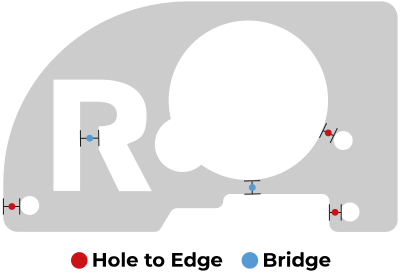
Min hole size .070″
Min bridge size .040″
Min hole to edge distance .020″
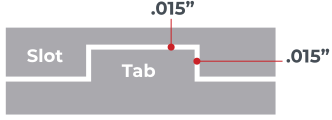
Tab and slot tolerance .015"
Carbon Fiber .040" PROPERTIES
Material Composition Carbon Fiber and Toughened Epoxy
Density 89.856 lb/ft^3
Heat treatments process N/A
ASTM N/A
Standard Layup Standard layup is a balanced 0/90 layup using Twill woven material.
Tensile Strength (Ultimate) 430 ksi
Tensile Strength (Yield) 120-175 ksi
Shear Strength 290 ksi
Shear Modulus 60 ksi
Fatigue Strength 180 ksi
Brinell Hardness N/A
Elongation at Break 5%
Elastic Modulus 8000 ksi
Poisson’s Ratio .34
Thermal Conductivity 0.07 BTU/h-ft °F
Max temperature 180 °F
Magnetic No
Does it Rust No

.063"1.60mm Carbon Fiber

Material Details & Specifications

Carbon Fiber .063" General Details
Advertised Thickness 0.063"
Gauge N/A
Thickness tolerance positive 0.008"
Thickness tolerance negative 0.008"
Mill Finish Hot press
Top/Bottom finish Identical both sides
Sourced from USA/Global
WATERJET CUTTING SPECIFICATIONS
Cutting process Waterjet
Cut tolerance +/- 0.009"
Flatness tolerance before cutting +/-0.030 per foot
Min part size 1.00″ x 2.00″
Max part size 44″ x 23″
Min hole size .070″
Min bridge size .063″
Min hole to edge distance .020″
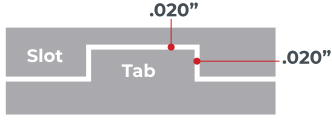
Tab and slot tolerance .020"
Carbon Fiber .063" PROPERTIES
Material Composition Carbon Fiber and Toughened Epoxy
Density 89.856 lb/ft^3
Heat treatments process N/A
ASTM N/A
Standard Layup Standard layup is a balanced 0/90 layup using Twill woven material.
Tensile Strength (Ultimate) 430 ksi
Tensile Strength (Yield) 120-175 ksi
Shear Strength 290 ksi
Shear Modulus 60ksi
Fatigue Strength 180 ksi
Brinell Hardness N/A
Elongation at Break 5%
Elastic Modulus 8000 ksi
Poisson’s Ratio .34
Thermal Conductivity 0.07 BTU/h-ft °F
Max temperature 180 °F
Magnetic No
Does it Rust No

.079"2.01mm Carbon Fiber

Carbon Fiber .079" General Details
Advertised Thickness 0.079"
Gauge N/A
Thickness tolerance positive 0.008"
Thickness tolerance negative 0.008"
Mill Finish Hot press
Top/Bottom finish Identical both sides
Sourced from USA/Global
WATERJET CUTTING SPECIFICATIONS
Cutting process Waterjet
Cut tolerance +/- 0.009"
Flatness tolerance before cutting +/-0.030 per foot
Min part size 1.00″ x 2.00″
Max part size 47″ x 23″
Min hole size .070″
Min bridge size .079″
Min hole to edge distance .024″
Tab and slot tolerance .020"
Carbon Fiber .040" PROPERTIES
Material Composition Carbon Fiber and Toughened Epoxy
Density 89.856 lb/ft^3
Heat treatments process N/A
ASTM N/A
Standard Layup Standard layup is a balanced 0/90 layup using Twill woven material.
Tensile Strength (Ultimate) 430 ksi
Tensile Strength (Yield) 120-175 ksi
Shear Strength 290 ksi
Shear Modulus 290 ksi
Fatigue Strength 60 ksi
Brinell Hardness N/A
Elongation at Break 5%
Elastic Modulus 8000 ksi
Poisson’s Ratio .34
Thermal Conductivity 0.07 BTU/h-ft °F
Max temperature 180 °F
Magnetic No
Does it Rust No

.118"3.00mm Carbon Fiber

Material Details & Specifications

Carbon Fiber .118" General Details
Advertised Thickness 0.118"
Gauge N/A
Thickness tolerance positive 0.008"
Thickness tolerance negative 0.008"
Mill Finish Hot press
Top/Bottom finish Identical both sides
Sourced from USA/Global
WATERJET CUTTING SPECIFICATIONS
Cutting process Waterjet
Cut tolerance +/- 0.009"
Flatness tolerance before cutting +/-0.030 per foot
Min part size 1.00″ x 2.00″
Max part size 47″ x 23″
Min hole size .070″
Min bridge size .118″
Min hole to edge distance .035″
Tab and slot tolerance .020"
Carbon Fiber .118" PROPERTIES
Material Composition Carbon Fiber and Toughened Epoxy
Density 89.856 lb/ft^3
Heat treatments process N/A
ASTM N/A
Standard Layup Standard layup is a balanced 0/90 layup using Twill woven material.
Tensile Strength (Ultimate) 430 ksi
Tensile Strength (Yield) 120-175 ksi
Shear Strength 290 ksi
Shear Modulus 60 ksi
Fatigue Strength 180 ksi
Brinell Hardness N/A
Elongation at Break 5%
Elastic Modulus 8000 ksi
Poisson’s Ratio .34
Thermal Conductivity 0.07 BTU/h-ft °F
Max temperature 180 °F
Magnetic No
Does it Rust No

.157"3.99mm Carbon Fiber

Material Details & Specifications

Carbon Fiber .157" General Details
Advertised Thickness 0.157"
Gauge N/A
Thickness tolerance positive 0.008"
Thickness tolerance negative 0.008"
Mill Finish Hot press
Top/Bottom finish Identical both sides
Sourced from USA/Global
WATERJET CUTTING SPECIFICATIONS
Cutting process Waterjet
Cut tolerance +/- 0.009"
Flatness tolerance before cutting +/-0.030 per foot
Min part size 3.00″ x 3.00″
Max part size 47″ x 23″
Min hole size .125″
Min bridge size .063″
Min hole to edge distance .047″
Tab and slot tolerance .020"
Carbon Fiber .157" PROPERTIES
Material Composition Carbon Fiber and Toughened Epoxy
Density 89.856 lb/ft^3
Heat treatments process N/A
ASTM N/A
Standard Layup Standard layup is a balanced 0/90 layup using Twill woven material.
Tensile Strength (Ultimate) 430 ksi
Tensile Strength (Yield) 120-175 ksi
Shear Strength 290 ksi
Shear Modulus 60 ksi
Fatigue Strength 180 ksi
Brinell Hardness N/A
Elongation at Break 5%
Elastic Modulus 8000 ksi
Poisson’s Ratio .34
Thermal Conductivity 0.07 BTU/h-ft °F
Max Temperature 180 °F
Magnetic No
Does it Rust No

.197"5.00mm Carbon Fiber

Material Details & Specifications

Carbon Fiber .197" General Details
Advertised Thickness 0.197"
Gauge N/A
Thickness tolerance positive 0.008"
Thickness tolerance negative 0.008"
Mill Finish Hot press
Top/Bottom finish Identical both sides
Sourced from USA/Global
WATERJET CUTTING SPECIFICATIONS
Cutting process Waterjet
Cut tolerance +/- 0.009"
Flatness tolerance before cutting +/-0.030 per foot
Min part size 3.00″ x 3.00″
Max part size 47″ x 23″
Min hole size .125″
Min bridge size .079″
Min hole to edge distance .059″
Tab and slot tolerance .020"
Carbon Fiber .118" PROPERTIES
Material Composition Carbon Fiber and Toughened Epoxy
Density 89.856 lb/ft^3
Heat treatments process N/A
ASTM N/A
Standard Layup Standard layup is a balanced 0/90 layup using Twill woven material.
Tensile Strength (Ultimate) 430 ksi
Tensile Strength (Yield) 120-175 ksi
Shear Strength 290 ksi
Shear Modulus 60 ksi
Fatigue Strength 180 ksi
Brinell Hardness N/A
Elongation at Break 5%
Elastic Modulus 8000 ksi
Poisson’s Ratio .34
Thermal Conductivity 0.07 BTU/h-ft °F
Max temperature 180 °F
Magnetic No
Does it Rust No

.315"8.00mm Carbon Fiber

Material Details & Specifications

Carbon Fiber .315" General Details
Advertised Thickness 0.315"
Gauge N/A
Thickness tolerance positive 0.009"
Thickness tolerance negative 0.009"
Mill Finish Hot press
Top/Bottom finish Identical both sides
Sourced from USA/Global
WATERJET CUTTING SPECIFICATIONS
Cutting process Waterjet
Cut tolerance +/- 0.009"
Flatness tolerance before cutting +/-0.030 per foot
Min part size 3.00″ x 3.00″
Max part size 47″ x 23″
Min hole size .125″
Min bridge size .126″
Min hole to edge distance .095″
Tab and slot tolerance .020"
Carbon Fiber .118" PROPERTIES
Material Composition Carbon Fiber and Toughened Epoxy
Density 89.856 lb/ft^3
Heat treatments process N/A
ASTM N/A
Standard Layup Standard layup is a balanced 0/90 layup using Twill woven material.
Tensile Strength (Ultimate) 430 ksi
Tensile Strength (Yield) 120-175 ksi
Shear Strength 290 ksi
Shear Modulus 60 ksi
Fatigue Strength 180 ksi
Brinell Hardness N/A
Elongation at Break 5%
Elastic Modulus 8000 ksi
Poisson’s Ratio .34
Thermal Conductivity 0.07 BTU/h-ft °F
Max temperature 180 °F
Magnetic No
Does it Rust No
What is Carbon Fiber?

What is Carbon Fiber?

Our sleek 2×2 twill weave, standard carbon fiber is perfect for low weight, high strength applications. It is popular in the aerospace and automotive sector due to its amazing strength-to-weight ratio. We choose to offer standard 2×2 carbon fiber for the marriage of tensile strength and rigidity which other weaves can’t provide. The 2×2 twill weave carbon fiber is also considerably stronger than steel, while also being a fraction of the weight.

What can you make with parts cut from Carbon Fiber sheets?

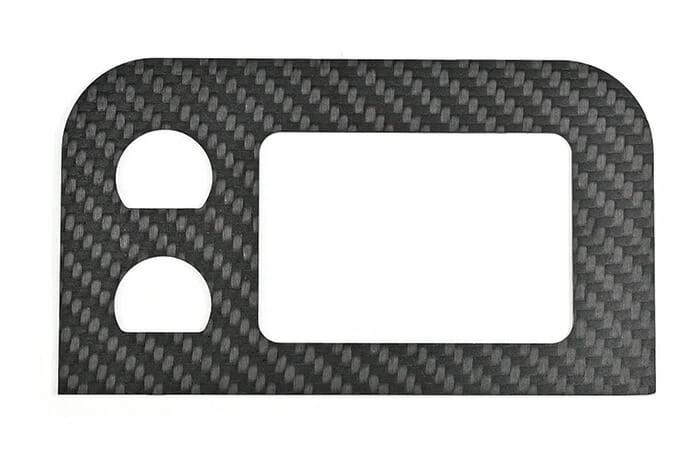
Carbon fiber is a popular composite in industries where safety is a top priority due to its high rigidity and ability to absorb impact energy. Here at SendCutSend, our carbon fiber cutting services can provide truck dashboards, airplane switch panels, and combat robotics protective paneling made to your specifications.

Our carbon fiber has the same matte finish on the front and back sides.

  • Drone parts
  • Industrial brackets
  • Aircraft applications
  • Motorcycle parts
  • Marine applications
  • Electronics
  • Robotics
  • Automotive parts & panels
  • And so much more!

Carbon Fiber FAQs

SendCutSend offers Carbon Fiber in seven thickness options: .040″ (1.02mm), .063″ (1.6mm), and .079″ (2.01mm), .118″(3.00mm), .157″(3.99mm), .197″(5.00mm), and .315″ (8.0mm)

With SendCutSend’s Carbon Fiber offering, you can get parts instantly quoted if they fall between 3″ x 3″ and 23″ x 44″.

You can add the following services to your Carbon Fiber parts:
Waterjet Cutting

Start your first Metal Manufacturing project today!

Upload your CAD design, or try one of our customizable part templates to get instant pricing on your custom laser cut parts. All delivered to your door in a matter of days.

Waterjet

Upload a CAD file

We accept .ai, .dxf, .dwg, .eps, .stp, and .step

Start Your Quote

Carbon Fiber sheet: properties, waterjet cutting, and design guide

Top 5 must-know things about Carbon Fiber

  • Carbon fiber composite is a lightweight, high-strength laminate made of woven carbon fibers and epoxy resin.
  • At SendCutSend, carbon fiber sheets are waterjet cut with ±0.009″ tolerance for clean, precise results.
  • Available in six thicknesses from 0.040″ to 0.197″, shipped in just 2–4 business days.
  • Stronger and stiffer than aluminum by weight, making it ideal for aerospace, automotive, drone, and performance applications.
  • Cannot be bent or formed like metals—carbon fiber is best used flat or with engineered layups.

What is Carbon Fiber?

Carbon fiber composite sheet is created by laying woven carbon fibers in an epoxy resin matrix and curing them under heat and pressure. The result is a rigid laminate with exceptional stiffness, strength, and low weight, far outperforming metals on a weight-for-weight basis.

It’s used anywhere engineers need structural strength with minimal weight: from aerospace and automotive to sports equipment and robotics. At SendCutSend, carbon fiber is precision cut on industrial waterjets, making it easy to design and order custom parts in this high-performance material.

What are the key properties of Carbon Fiber?

Carbon fiber is known for its strength-to-weight ratio and dimensional stability. While aluminum is strong and ductile, carbon fiber is stiffer and lighter, but not designed to bend or stretch.

Typical properties of cured laminate include:

  • Density:~0.06 lb/in³ (about half that of aluminum)
  • Tensile strength: 500+ ksi (depending on fiber and layup)
  • Modulus of elasticity: 20–30 Msi (very stiff)
  • Thermal resistance:
    Maintains properties up to ~250°F (121°C) continuous use
  • Appearance: Black woven surface finish

These qualities make it ideal for lightweight, load-bearing panels, brackets, and housings.

Can Carbon Fiber be cut?

Yes, but not with traditional shop tools. Abrasive blades or saws can cut carbon fiber, but they often cause fraying, delamination, or excessive dust.

  • Laser cutting is not recommended: the resin tends to burn and emit toxic fumes, and edges often char.
  • CNC routing is possible, but requires careful feeds/speeds and creates hazardous dust.
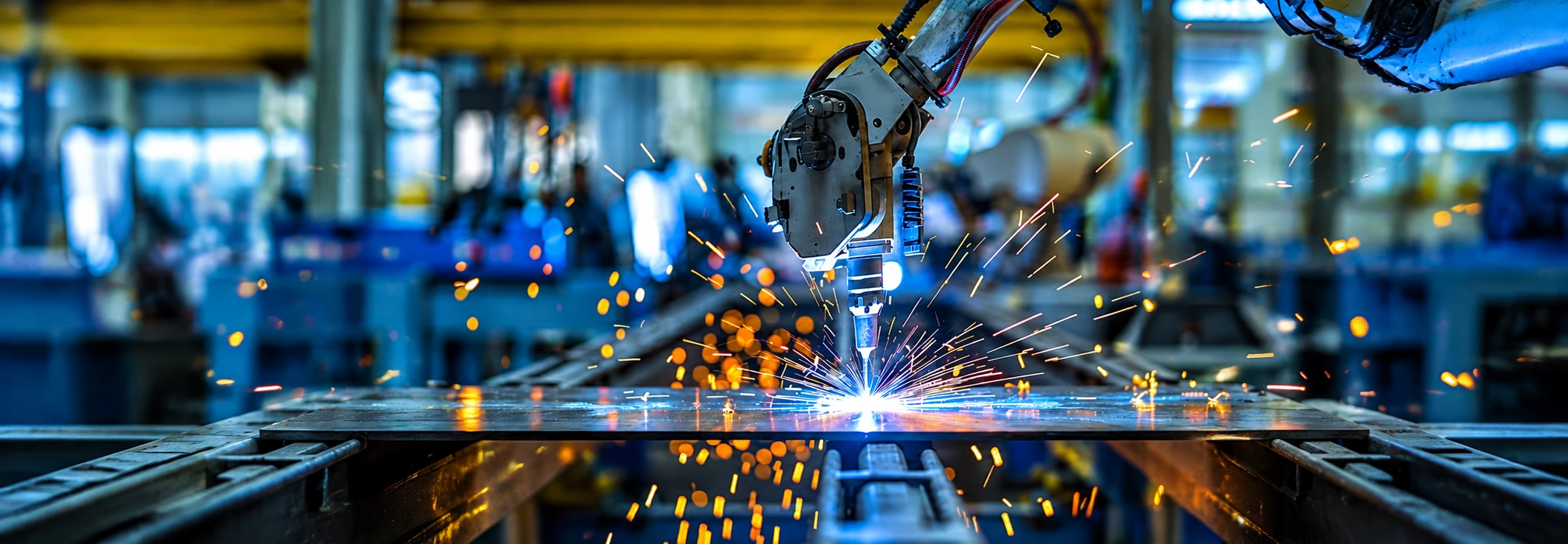
  • Waterjet cutting is the industry standard and the method used at SendCutSend. It avoids heat, eliminates burning, and delivers crisp, clean edges.

What edge quality issues occur when cutting Carbon Fiber?

Because carbon fiber is a layered composite, cutting methods can introduce defects if not done correctly:

  • Delamination: Layers separating at the edges.
  • Fiber pull-out: 
  • Resin burn or charring: From heat-based cutting like lasers.

With waterjet cutting, these issues are minimized. The abrasive jet slices through without heat, producing clean edges with minimal fraying. Parts arrive ready to use, though it’s best to handle edges carefully since they can be sharp.

What tolerances and minimum features are possible?

At SendCutSend, we hold ±0.009″ cutting tolerance on carbon fiber sheets.

  • Minimum hole size: ~0.125″ for best results.
  • Minimum web/bridge: At least 2x material thickness.
  • Kerf width: Varies with abrasive stream, but generally ~0.030″.

For detailed specs, see the carbon fiber specifications section on our material page.

Can Carbon Fiber be bent or formed?

No—carbon fiber laminate cannot be bent or formed like sheet metal. Attempting to bend it will cause cracking or delamination. Complex 3D shapes must be molded during the layup process, not after curing.

For projects requiring bends, consider pairing carbon fiber flat panels with bent metal brackets (such as 5052 aluminum or 304 stainless steel) for hybrid assemblies.

What design rules help prevent cracking or delamination?

When designing for carbon fiber cutting:

  • Avoid extremely thin webs—keep at least 2x thickness.
  • Use rounded interior corners instead of sharp angles to reduce stress concentrations.
  • Keep hole diameters ≥0.125″ to avoid fraying.
  • Design parts to remain flat; do not expect bending or forming.

These practices ensure stronger, longer-lasting parts and reduce the risk of damage at cut edges.

Does Carbon Fiber degrade over time?

Carbon fiber itself does not rust or corrode, but it can degrade under certain conditions:

  • UV exposure: Prolonged sunlight can yellow or weaken the resin. Protective coatings can help.
  • Moisture:Epoxy resin is resistant but not completely waterproof; long-term immersion may affect performance.
  • Fatigue:Repeated cyclic loads can cause cracks to propagate over time.

For indoor or occasional outdoor use, carbon fiber lasts many years. For permanent outdoor exposure, a UV-stable clear coat is recommended.

What are typical applications for Carbon Fiber?

Because of its strength and lightness, carbon fiber is common in:

  • Drones and UAVs (frames, panels, brackets)
  • Automotive and motorsports(interior panels, body parts, lightweight brackets)
  • Aerospace (structural panels, housings)
  • Robotics(arms, joints, lightweight components)
  • Consumer products(sporting goods, electronics housings, performance gear)

If your project needs stiffness and weight savings, carbon fiber is often the best choice.

When should you cut Carbon Fiber yourself vs outsource?

DIY cutting of carbon fiber is possible with diamond-coated blades or carbide tools, but it comes with hazards:

  • Creates fine carbon dust that requires PPE and dust collection.
  • Edges may fray or delaminate without proper tooling.
  • Small mistakes are costly due to material expense.

Outsourcing to SendCutSendensures:

  • ±0.009″ precision with industrial waterjet cutting.
  • No burning or fraying compared to laser cutting.
  • Fast turnaround in 2–4 days.

For prototypes, performance parts, and production runs, outsourcing is almost always safer, faster, and more reliable.

How does SendCutSend cut Carbon Fiber?

We use abrasive waterjet cutting to process carbon fiber sheets. This method avoids the heat and burning issues of lasers while preserving the integrity of the composite.

  • Clean edges with minimal delamination.
  • ±0.009″ tolerance across all six available thicknesses.
  • USA-sourced sheets for consistent quality.

Simply upload your design to our instant quoting system to get started.

Conclusion

Carbon fiber offers an unbeatable combination of low weight, high strength, and stiffness, making it ideal for drones, vehicles, aerospace, and robotics. While difficult to cut with DIY tools, SendCutSend makes it easy by providing precision waterjet cutting, fast turnaround, and consistent quality. If your design calls for strong, lightweight panels with a sleek black finish, carbon fiber is one of the best materials available.
KH-TAT Electronic

Tell Us Your Requirements

For more information about KH-TAT Electronic CNC Tool’s cutting tool solutions, including standard and custom carbide drills, end mills, coatings, and machining support, please feel free to contact our team.
  • Email Brian@wjwanjia.com
  • WhatsApp +86 18967883827
  • Address No. 26, Fenghuang Second Street, Yongchuan District, Chongqing (within Fenghuang Lake Industrial Park, Yongchuan Industrial Park, Chongqing)

    Room 2008, North Building, Yinzhou Chamber of Commerce Building, Yinzhou District, Ningbo City, Zhejiang Province

    Nong Bon Daeng 13, Nong Bon Daeng, Ban Bang Xian, Chon buri 20170, Thailand

This site uses cookies

We use cookies to collect information about how you use this site. We use this information to make the website work as well as possible and improve our services.more details