G‑10 (FR‑4 Grade): Frequently asked questions & material guide
Key things to know about G-10 (FR-4 Grade)
Top 5 must‑know things about G-10
- G‑10 (FR‑4 grade) is a fiberglass epoxy laminate known for high strength, rigidity, and electrical insulation.
- SendCutSend cuts G‑10 (FR‑4 grade) via waterjet for clean edges and tight tolerances.
- Available in thicknesses from 0.063″ to 0.375″.
- Excellent choice for electrical, aerospace, marine, and industrial applications.
- Tough, abrasive, and requires specialized cutting methods (not ideal for DIY without proper equipment).
What is G‑10 (FR‑4 Grade)?
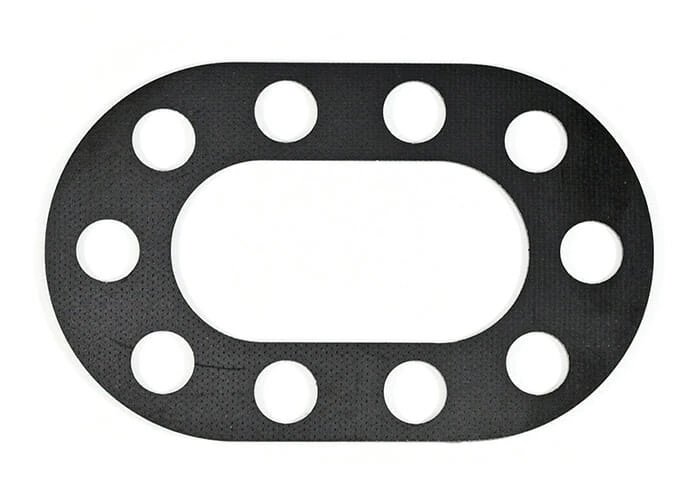
G‑10 is a high‑pressure fiberglass laminate created by stacking multiple layers of glass cloth soaked in epoxy resin and compressing them under heat. FR‑4 is the flame‑retardant variant of G‑10, commonly used in printed circuit boards and electrical applications. Both materials are prized for their strength‑to‑weight ratio, dimensional stability, and insulation properties. At SendCutSend, G‑10 is offered in four thicknesses and precision‑cut using waterjet technology to avoid heat damage and ensure clean, accurate cuts.
What is the difference between G‑10 and FR‑4?
G‑10 and FR‑4 are structurally similar fiberglass‑epoxy laminates. The key difference: FR‑4 is flame‑retardant and meets UL 94V‑0 standards, making it suitable for electrical applications requiring fire resistance.
How strong is G‑10?
G‑10 offers exceptional mechanical strength, with tensile strength around 40,000 psi and flexural strength exceeding 60,000 psi. This makes it stronger than many plastics and competitive with some light metals.
Is G‑10 electrically insulating?
Yes. G‑10/FR‑4 has a high dielectric strength (typically 500+ volts/mil), making it a go‑to material for insulators, circuit boards, and electrical housings.
How heat resistant is G‑10?
G‑10/FR‑4 maintains stability up to around 130–140°C (glass transition temperature). It can briefly withstand higher temps, but prolonged exposure above Tg can cause degradation.
Can you laser cut G‑10?
No—laser cutting G‑10 releases toxic fumes and produces charred edges. That’s why SendCutSend uses waterjet cutting, which avoids heat and delivers precision edges.
What tolerances are possible when cutting G‑10?
SendCutSend delivers ±0.009” cutting tolerance for G‑10 via waterjet, suitable for high‑precision applications.
What surface finish can I expect?
Waterjet cutting leaves a clean, precise edge. Unlike mechanical cutting, there’s no risk of tool chatter or delamination, though edges may be slightly textured.
Is G‑10 safe to cut or machine at home?
It’s possible but not recommended. Cutting generates abrasive fiberglass dust that can damage tools and harm lungs. Always use carbide tooling, dust extraction, and PPE.
Does G‑10 absorb water?
No,G‑10 is moisture resistant, maintaining strength and insulation even in humid or marine conditions.
Is G‑10 UV resistant?
G‑10 has good weather resistance but can degrade with prolonged UV exposure. For outdoor use, coatings or paint may extend service life.
What industries use G‑10/FR‑4?
G-10 has high mechanical strength and rigidity with excellent stability over a wide temperature range. This combined with its low water absorption rates make it a common choice for the following industries:
- aerospace
- marine
- automotive
- industrial
- electrical industries
Applications include PCB substrates, insulating components, bushings, spacers, and tool fixtures.
How does G‑10 compare to carbon fiber?
Both are strong composites, but carbon fiber is lighter and stiffer. G‑10 is less expensive, tougher under impact, and electrically insulating (carbon fiber is conductive).
How does G‑10 compare to metals like aluminum?
G‑10 is lighter and electrically insulating, with better corrosion resistance. Aluminum is stronger under load and more heat‑resistant. Choice depends on application needs.
Is G‑10 flame resistant?
FR‑4 grade is flame retardant and UL 94V‑0 rated, meaning it self‑extinguishes once a flame source is removed.
What color options are available for G-10?
SendCutSend currently offers G‑10 in one standard color (black). Custom colors may be available through specialty suppliers.
Is G‑10 food‑safe?
No, G‑10 is not FDA‑approved for food contact. It’s mainly for industrial, mechanical, and electrical applications.
Can G‑10 be glued or bonded?
Yes. Epoxies, cyanoacrylates, and mechanical fasteners all work well with G‑10.
How long does G‑10 last?
With proper use, G‑10 parts can last decades. It resists wear, corrosion, and moisture—ideal for long‑term industrial and structural applications.
When to DIY vs. Outsource Cutting for G-10 Parts
- DIY: Small hobby projects with simple cuts, if you have carbide tools, dust collection, and PPE.
- Outsource: Precision parts, complex designs, multiple pieces, or when tolerances and edge quality are critical. SendCutSend’s waterjet process ensures safe, clean, and accurate results.
Key takeaways
- G‑10 (FR‑4 grade) is a high‑strength, moisture‑resistant, electrically insulating composite ideal for industrial and aerospace use.
- SendCutSend offers waterjet‑cut G‑10 in four thicknesses, with ±0.009” tolerance.
- Not recommended for DIY cutting due to dust and tool wear—outsourcing ensures quality and safety.
- Applications span from PCB substrates to marine hardware, spacers, and insulating components.